

 Aquifer Conditions
Supporting Measures
Net Disturbance & Incidental Take
Applied Research
Ecological Model
Biological Monitoring
Biological Monitoring
A comprehensive biological monitoring program was established by the EAA in 2000 to gather baseline and critical period data to fill important data gaps in the ecological conditions of the Comal and San Marcos springs ecosystems. This comprehensive monitoring plan will continue to accumulate data for refinement of estimates of “average” conditions. Additional monitoring during low-flow periods will enhance knowledge about the species during various conditions.
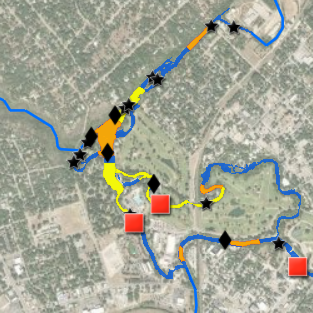
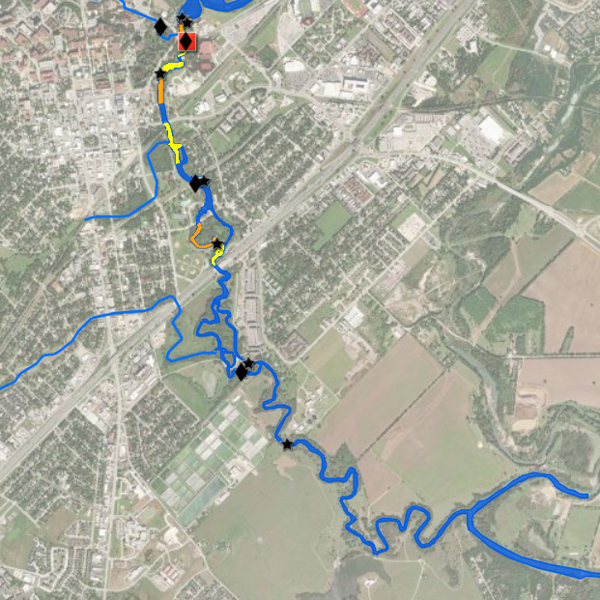
Comal and San Marcos Springs Monitoring Maps
Biological Monitoring Annual Reports
2026 Annual Reports
2025 Annual Reports
2024 Annual Reports
2023 Annual Reports
2022 Annual Reports
2021 Annual Reports
2020 Annual Reports
2019 Annual Reports
2018 Annual Reports
2017 Annual Reports
2016 Annual Reports
2015 Annual Reports
2014 Annual Reports
2014 Low-Flow Memoranda
 Week 1: Biological Monitoring Memorandum
Week 2: Biological Monitoring Memorandum
Week 3: Biological Monitoring Memorandum
Week 4: Biological Monitoring Memorandum
Week 5: Biological Monitoring Memorandum
Week 6: Biological Monitoring Memorandum
Week 7: Biological Monitoring Memorandum
Week 8: Biological Monitoring Memorandum
Week 9: Biological Monitoring Memorandum
Week 10: Biological Monitoring Memorandum
Week 11: Biological Monitoring Memorandum
Week 12: Biological Monitoring Memorandum
Week 13: Biological Monitoring Memorandum
Week 14: Biological Monitoring Memorandum
Week 15: Biological Monitoring Memorandum
Week 16: Biological Monitoring Memorandum
Week 17: Biological Monitoring Memorandum
Week 18: Biological Monitoring Memorandum
Week 19: Biological Monitoring Memorandum
Week 20: Biological Monitoring Memorandum
Week 21: Biological Monitoring Memorandum
Week 22: Biological Monitoring Memorandum
Week 23: Biological Monitoring Memorandum
Week 24: Biological Monitoring Memorandum
Week 25: Biological Monitoring Memorandum
Week 26: Biological Monitoring Memorandum
Week 27: Biological Monitoring Memorandum
Week 28: Biological Monitoring Memorandum
Week 29: Biological Monitoring Memorandum
Week 30: Biological Monitoring Memorandum
Week 31: Biological Monitoring Memorandum
Week 32: Biological Monitoring Memorandum
Week 33: Biological Monitoring Memorandum
Week 34: Biological Monitoring Memorandum
Week 35: Biological Monitoring Memorandum
Week 36: Biological Monitoring Memorandum
Week 37: Biological Monitoring Memorandum
Week 38: Biological Monitoring Memorandum
Week 39: Biological Monitoring Memorandum
Week 40: Biological Monitoring Memorandum
Week 41: Biological Monitoring Memorandum
Week 1: Biological Monitoring Memorandum
Week 2: Biological Monitoring Memorandum
Week 3: Biological Monitoring Memorandum
Week 4: Biological Monitoring Memorandum
Week 5: Biological Monitoring Memorandum
Week 6: Biological Monitoring Memorandum
Week 7: Biological Monitoring Memorandum
Week 8: Biological Monitoring Memorandum
Week 9: Biological Monitoring Memorandum
Week 10: Biological Monitoring Memorandum
Week 11: Biological Monitoring Memorandum
Week 12: Biological Monitoring Memorandum
Week 13: Biological Monitoring Memorandum
Week 14: Biological Monitoring Memorandum
Week 15: Biological Monitoring Memorandum
Week 16: Biological Monitoring Memorandum
Week 17: Biological Monitoring Memorandum
Week 18: Biological Monitoring Memorandum
Week 19: Biological Monitoring Memorandum
Week 20: Biological Monitoring Memorandum
Week 21: Biological Monitoring Memorandum
Week 22: Biological Monitoring Memorandum
Week 23: Biological Monitoring Memorandum
Week 24: Biological Monitoring Memorandum
Week 25: Biological Monitoring Memorandum
Week 26: Biological Monitoring Memorandum
Week 27: Biological Monitoring Memorandum
Week 28: Biological Monitoring Memorandum
Week 29: Biological Monitoring Memorandum
Week 30: Biological Monitoring Memorandum
Week 31: Biological Monitoring Memorandum
Week 32: Biological Monitoring Memorandum
Week 33: Biological Monitoring Memorandum
Week 34: Biological Monitoring Memorandum
Week 35: Biological Monitoring Memorandum
Week 36: Biological Monitoring Memorandum
Week 37: Biological Monitoring Memorandum
Week 38: Biological Monitoring Memorandum
Week 39: Biological Monitoring Memorandum
Week 40: Biological Monitoring Memorandum
Week 41: Biological Monitoring Memorandum
2013 Annual Reports
2013 Low-Flow Memoranda
Week 1: August 16, 2013, Biological Monitoring Memorandum
Week 2: August 23, 2013, Biological Monitoring Memorandum
Week 3: August 30, 2013, Biological Monitoring Memorandum
Week 4: September 06, 2013, Biological Monitoring Memorandum
Week 5: September 13, 2013, Biological Monitoring Memorandum
Week 6: September 20, 2013, Biological Monitoring Memorandum
Week 7: September 27, 2013, Biological Monitoring Memorandum
Week 8: October 4, 2013, Biological Monitoring Memorandum
Week 9: October 11, 2013, Biological Monitoring Memorandum
Week 10: October 18, 2013, Biological Monitoring Memorandum
Week 11: October 25, 2013, Biological Monitoring Memorandum
Week 12: November 1, 2013, Biological Monitoring Memorandum
Expanded Water Quality Monitoring
Refugia
Find Out About the EAHCP
The Edwards Aquifer Habitat Conservation Plan
The Partners
Contact Information
EAHCP
EAHCP Steward Newsletter
Stay in touch with all of the happenings of the Edwards Aquifer Habitat Conservation Plan.


 CURRENT